
Painting a bedroom mural 12 years ago has some weird parallels with how I approach Claude Code today. Hear me out.
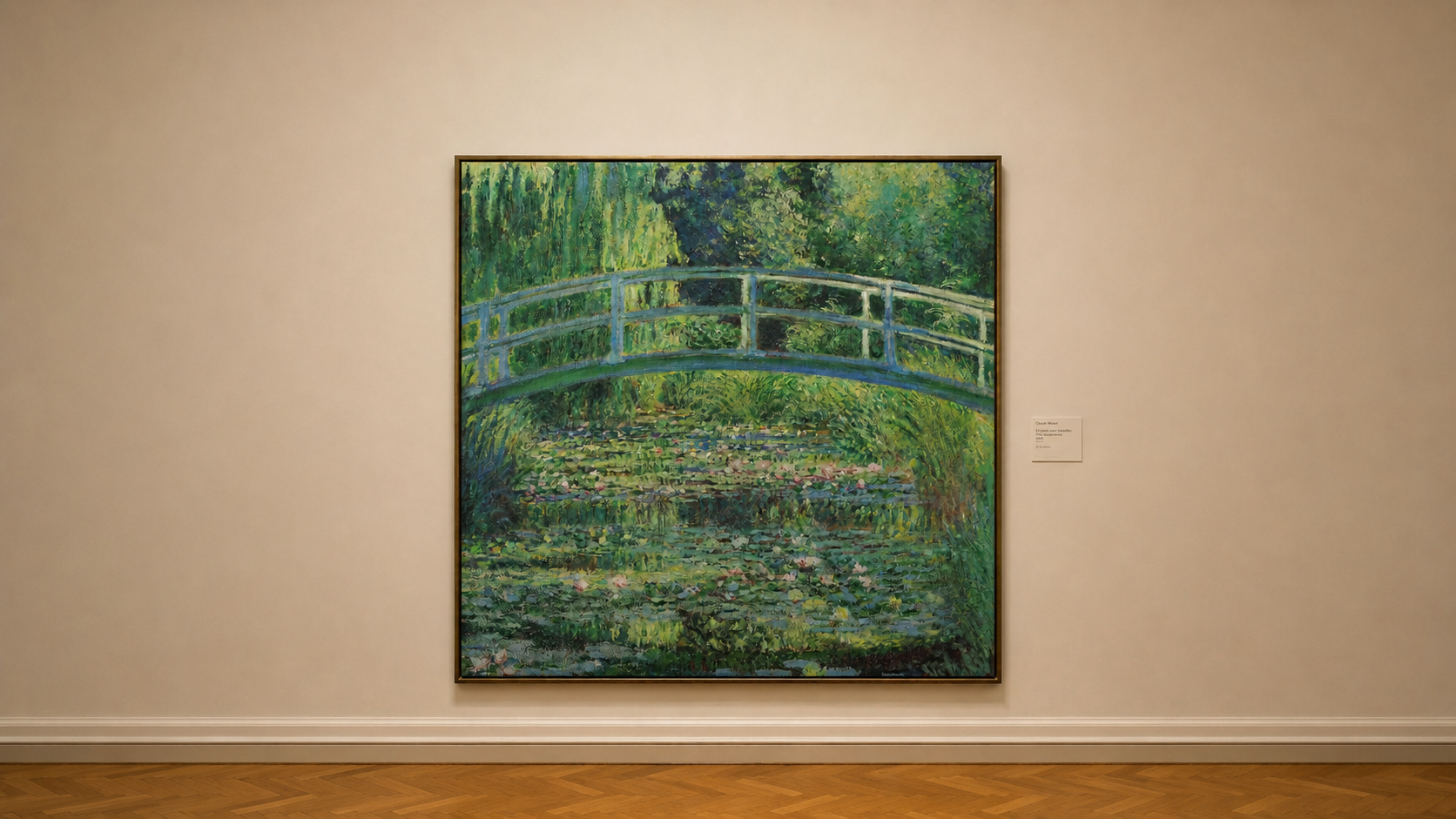
When my artist partner and I moved in together, part of our “create a home together” ritual was painting a giant bedroom mural. Even as a designer myself, in moments with unclear outcomes I can default to a bit of a measure-twice-cut-once mentality; so I was gung-ho about suffocating our creativity in process. Create a Pinterest board of concepts, do a miniature gridded version of the mural, sketch it out on the wall in a “paint by numbers” pastiche according to the sketch, and so on. My partner looked at me like I suggested we file a permit with the city. And then she just started painting.
I needed that reminder.
I can sometimes forget that tenant of creative work: if you don’t start somewhere, you’ll never make anything. The wall wasn’t precious; paint is forgiving. We could try something, step back, squint at it, talk about it, and if it wasn’t working we’d prime over it and go again. So our mural emerged not from a plan, but from our conversation — one that happened in real-time, brushes and sponges in hand, standing on a drop cloth in socks. We loved it, we kept it, and it was the last thing we looked at every night for seven years before we moved from that lovely home on a hill.
Now hold on to your hat while I draw a straight line from that mural to the AI-enabled creative software process today. It makes sense, I swear.
If you’ve spent any time with AI coding and creation tools lately, you know the feeling: when used to their full potential they can feel like incredibly capable co-creation partners. You describe a concept, it generates something, and you adjust and iterate as you go. The whole loop takes seconds. You’re standing in front of a wall, and the paint is only limited by your token budget.
My sometimes knee-jerk instinct to over-plan made sense when iteration was expensive. Planning is inherently risk management, and when there are a lot of unknowns planning can feel like a safety blanket.
But it can also stifle creativity, and as designers we can be very visual people. The faster we can create visuals and prototypes to respond to, the faster we can actually iterate toward an idea that’s good. I recently spent a few weeks off and on prompting back and forth on a side project called War Atlas that stemmed from a conversation I had with a friend in 2009; but I had many starts and stops to actually make the darn thing, at various points limited by research time and being bogged down by my own technical inabilities. It felt incredible to suddenly remove both limitations and then iterate by seeing a version of my idea in front of me; realize flaws of a certain direction; and then shift toward a better direction in real time. It meant less time imagining what it could be, more time looking at what it already was and deciding whether it was any good.
At the end of this all, those who make things do so because we enjoy it. We enjoy the practice of creativity, of seeing your vision come to life. That’s a basic aspect of our creative humanity that isn’t worth losing sight of through the breathless podcasts about what AI will or will not do to replace us. At the end of the day, my hope is we remember why we enjoyed creativity in the first place; and that we use and improve the tools that help us exercise it.
So go have fun. Enjoy the making.